

Many people associate physiotherapy only with serious injuries or post-surgical recovery. In reality, physiotherapy can be helpful much earlier—often before pain becomes severe or long-lasting. Knowing when to seek physiotherapy can prevent minor issues from turning into persistent problems.
Timely care can help the body move better, recover faster, and stay resilient.
Pain That Doesn’t Improve on Its Own
Occasional aches after activity or a long day are common. However, pain that persists beyond a few days, keeps returning, or gradually worsens may indicate an underlying issue that needs attention. If pain limits daily activities such as walking, sitting, sleeping, or working comfortably, it may be time to seek professional assessment rather than waiting for it to settle on its own.
Recurring Pain or Stiffness
One of the most common reasons people benefit from physiotherapy is recurring pain. Even if discomfort improves temporarily with rest or medication, repeated episodes suggest that contributing factors—such as posture, movement habits, muscle weakness, or flexibility issues—are not being addressed. Physiotherapy focuses on identifying these patterns and helping the body move more efficiently, reducing the chances of repeated flare-ups.


After an Injury or Fall
Injuries do not always appear serious at first. A minor fall, twist, or sudden movement can lead to subtle changes in movement or muscle control. Over time, this can result in pain, stiffness, or reduced confidence in movement. Early physiotherapy assessment after an injury helps guide safe recovery, restore movement, and reduce the risk of long-term issues.
Post-Surgical or Post-Procedure Recovery
After surgeries such as joint replacement, fracture fixation, or other orthopaedic procedures, physiotherapy plays a crucial role in recovery. Structured rehabilitation supports healing, restores strength and mobility, and helps individuals return to daily activities safely. Even after less invasive procedures, guided movement and exercises can significantly influence recovery outcomes.
Numbness, Tingling, or Radiating Pain
Symptoms such as tingling, numbness, or pain radiating down the arm or leg may indicate nerve involvement. These signs should not be ignored, especially if they persist or worsen. Physiotherapists are trained to assess movement, posture, and nerve-related symptoms and can guide appropriate care or referrals when needed.
Difficulty with Balance or Walking
Balance issues, fear of falling, or changes in walking pattern are common concerns, particularly with age. These changes may develop gradually and are often dismissed as “normal,” but they can increase the risk of falls and injuries. Physiotherapy can help improve strength, coordination, and confidence, supporting safer and more independent movement.
Lifestyle-Related Discomfort
Sedentary routines, long hours of sitting, repetitive tasks, and poor posture can gradually strain the body. Neck pain, back pain, shoulder discomfort, and stiffness often develop without a clear injury. Physiotherapy helps address these lifestyle-related issues by improving movement awareness, posture, and physical conditioning in a way that fits daily routines.
When Pain Affects Sleep, Work, or Mood
Pain does not exist in isolation. When discomfort begins to affect sleep, concentration, or emotional wellbeing, it can impact overall quality of life. Stress and poor sleep can further amplify pain, creating a difficult cycle. Seeking support early allows care to address both physical and lifestyle factors, supporting more sustainable recovery.
What to Expect from a Physiotherapy Consultation
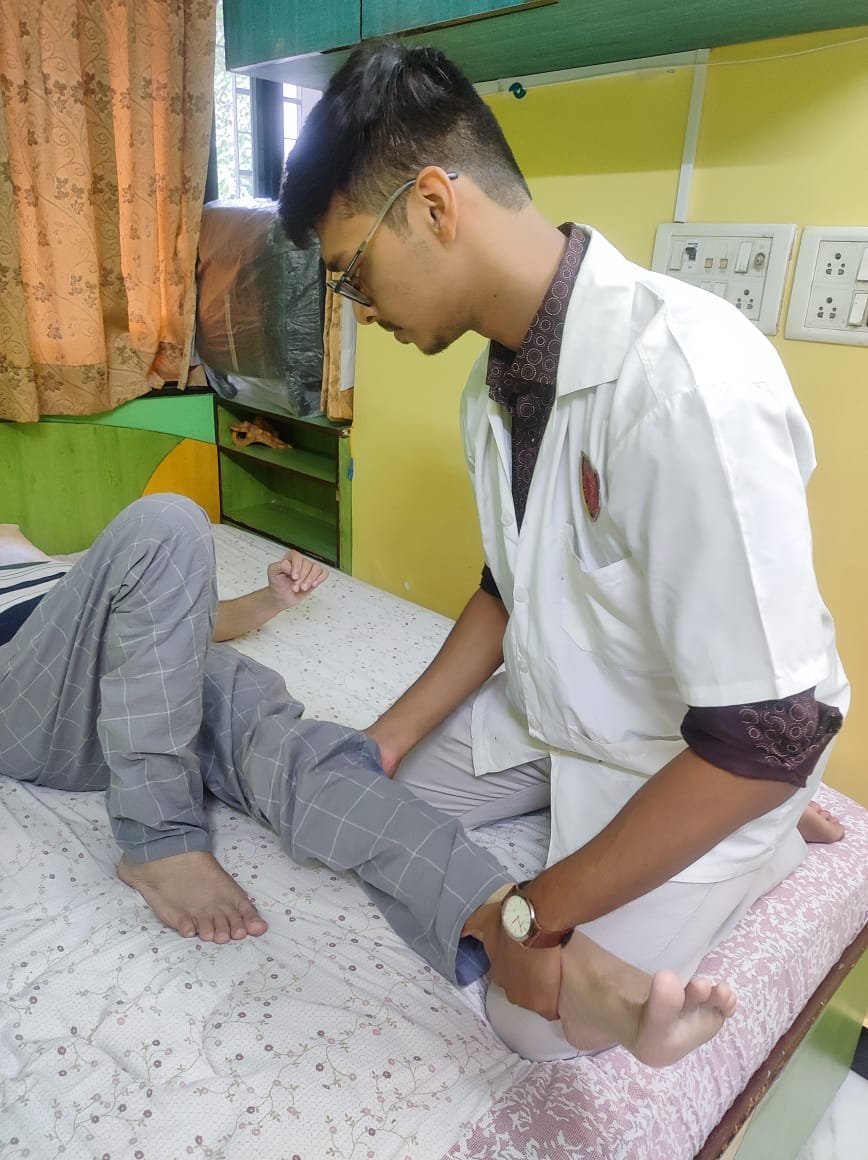
A physiotherapy consultation typically begins with a detailed assessment of symptoms, movement patterns, posture, lifestyle habits, and medical history. Based on this understanding, a personalised care plan may include hands-on treatment, guided exercises, movement education, and lifestyle recommendations. The focus is not just on reducing pain, but on improving function and preventing recurrence.
Early Care Makes a Difference
Waiting too long before seeking help can sometimes allow simple issues to become more complex. Early physiotherapy guidance often leads to quicker recovery, better understanding of the body, and reduced reliance on temporary solutions.
Moving Forward with Confidence
Physiotherapy is not only for injury recovery—it is a proactive approach to maintaining movement, strength, and independence. Recognising when to seek guidance can help individuals stay active, manage discomfort effectively, and support long-term wellbeing.
- Tags:
- physiotherapy